
Refrigerant does not wear out. If your AC is low on gas, it has a leak — so we find it, fix it and then charge the system to the correct pressure with the right refrigerant.
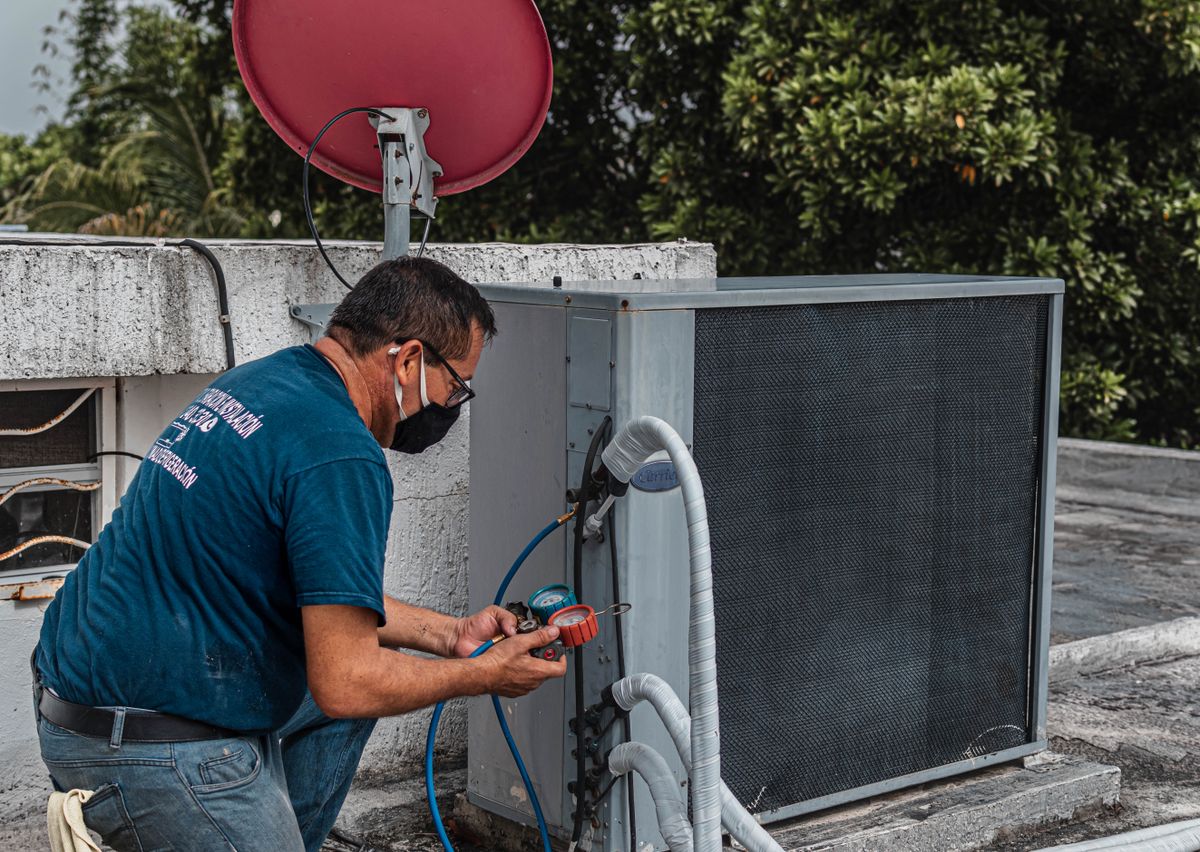
An air conditioner is a sealed loop. The refrigerant circulates between the indoor and outdoor unit for the life of the system without being used up. When the pressure drops, the gas has escaped through a leak — usually at a flare joint, a valve, or a corroded spot on the coil.
Topping up without fixing the leak gives you a few weeks or months of cooling before you pay for gas again. Running a unit low on gas also overheats the compressor, which is the most expensive part of the system. That is why every CleaniXair gas job starts with finding the leak.
The fan blows normally but the air is only slightly cooler than the room.
Ice forming on the thin copper pipe or the indoor coil after running for a while.
The unit never seems to reach the set temperature and rarely cycles off.
Refrigerant carries oil, so a stain at a pipe joint often marks the leak.
A faint hiss or bubbling noise from the pipes or the outdoor unit.
The compressor works longer to move less heat, and the bill shows it.
Used in most newer split and inverter ACs. Efficient and lower in global-warming impact. Charged carefully by weight or pressure because it is mildly flammable.
Common in many split units from the last decade. Works at higher pressure than older gases, so it needs matching gauges, hoses and a proper vacuum.
Found in older units. Supplies are being phased down worldwide, so prices are higher. If an R22 unit needs repeated refills, we will talk you through replacement options.
We never mix refrigerants. The gas type is printed on the rating plate of your outdoor unit; we check it before connecting anything.
Starting price for a full charge on a wall-mounted split unit after a successful leak repair. The price depends on the refrigerant type and the amount needed, and is confirmed after the pressure test.
Only a pressure reading can confirm it. Many units that feel weak actually have a dirty coil or a failed fan, which is why we test before recommending gas.
If the leak is properly repaired, the charge should last for years. Refrigerant is not consumed during normal operation.
Most leaks are found at joints and valves within the visit. Very small leaks inside a coil can take longer; in that case we explain the options, including coil replacement.
Yes. The gas is handled in a closed system through service valves on the outdoor unit. We ventilate the area and never use open flames near R32 units.
The cost depends on the refrigerant type, the size of the unit and how much gas is missing. We give you the exact price after the pressure test and before charging.
Describe the problem on the phone and we will tell you which visit you need — and roughly what it will cost — before anyone comes out.
Jet-wash cleaning for the indoor coil, blower wheel and outdoor condenser. The fix for weak airflow, musty smells and dripping water.
A full check-up: filters, coil, drain, electrical connections, fan motors and gas pressure — with the readings written down.
Not cooling, tripping, leaking or noisy? We find the cause first, explain it in plain words and repair with matching parts.
New units and shifting jobs fitted level, vacuumed, leak-tested and sealed so the system runs the way the maker intended.