
A deep clean for the parts of your air conditioner that actually hold the dirt — the indoor coil, the blower wheel, the drain and the outdoor condenser. Expect stronger airflow, colder air and no more musty smell.
Most of the dust that slows an air conditioner sits behind the filter, packed into the thin aluminium fins of the indoor coil and stuck to the curved blades of the blower wheel. Over a season it turns into a grey felt that blocks airflow and traps moisture, which is where the musty smell and the black specks on the louvers come from.
A jet-wash cleaning removes that layer with low-pressure water and a coil-safe cleaning solution, while a waterproof drip bag carries the dirty water away from your wall. The difference is easy to feel: the air coming out is colder, the fan sounds quieter and the room reaches its temperature faster.
The fan runs at full speed but the breeze feels thin, even with clean filters.
A damp smell when the unit starts, caused by mould on the coil and drain pan.
A blocked drain line pushes condensed water out of the front of the unit.
The room takes much longer than it used to reach the set temperature.
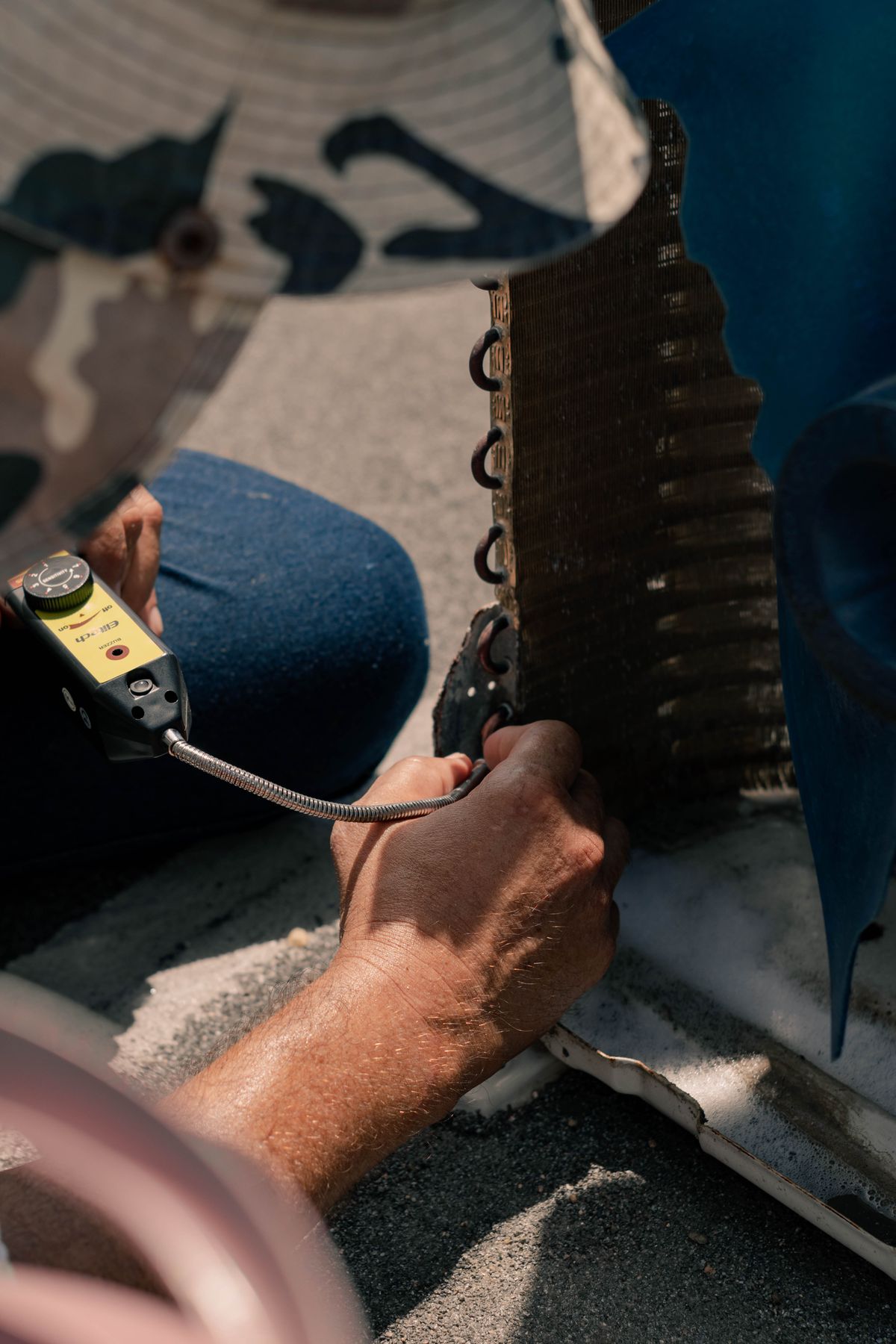
A full CleaniXair jet-wash covers the indoor and outdoor unit. Panels and filters come off, electrical parts are covered, and only then does water go near the coil.
We switch the unit on, note the air temperature at the louvers and listen for noise before touching anything.
Power is isolated, the circuit board is covered, and a drip bag is fitted around the indoor unit.
Coil and blower wheel are sprayed with coil cleaner, then rinsed with low-pressure water until it runs clear.
The drain pan is scrubbed and the drain line flushed so water flows freely to the outside.
The condenser fins are rinsed from the inside out to push dust back the way it came in.
We reassemble, run the unit and measure the temperature again. Both readings go on your service note.
Starting price per wall-mounted split unit up to 2 ton, indoor and outdoor unit included. Window units from ৳1,200. Cassette and ceiling units are quoted after a look.
Yes, when it is done with the right pressure and with the electronics covered. We use a low-pressure washer designed for air conditioner coils, cover the control board and wiring, and keep water away from the motor.
No. Wall-mounted split units are cleaned in place with a drip bag. Only units with damaged brackets or very heavy contamination need to come down, and we would tell you before doing that.
Straight away. We test the unit before leaving, so it is running when we hand it back. Any moisture left inside dries within the first few minutes of operation.
We can clean it, but cleaning will not fix a gas leak or a failed part. If our first check points to a fault, we tell you before starting so you can decide whether to book a repair instead.
Clear about a metre below the indoor unit if you can. We cover anything that cannot be moved and work from a ladder with a drop cloth underneath.
Describe the problem on the phone and we will tell you which visit you need — and roughly what it will cost — before anyone comes out.
A full check-up: filters, coil, drain, electrical connections, fan motors and gas pressure — with the readings written down.
Not cooling, tripping, leaking or noisy? We find the cause first, explain it in plain words and repair with matching parts.
New units and shifting jobs fitted level, vacuumed, leak-tested and sealed so the system runs the way the maker intended.
Leak check before charging, the correct refrigerant type and pressure-matched filling — never a blind top-up.